

















Massive retailer Amazon.com is accused of overcharging mostly small businesses by more than $20 billion by manipulating its advertising auctions, a new lawsuit alleges.
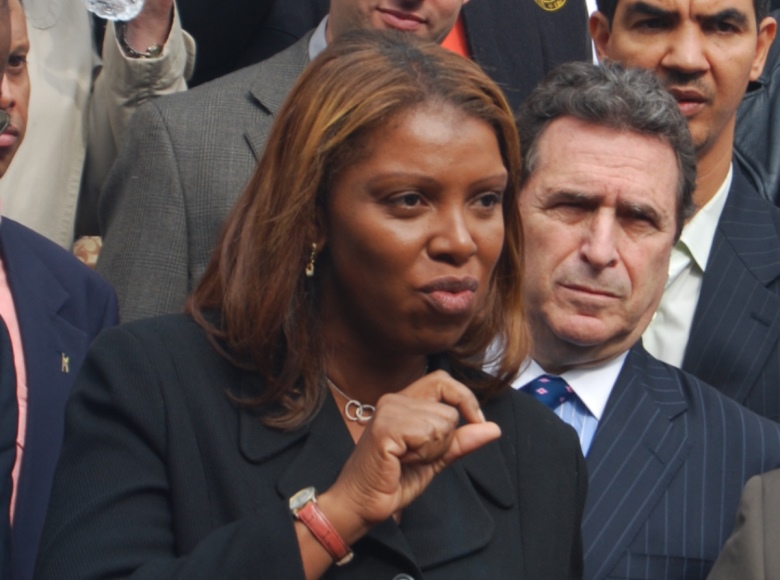
The suit was filed by New York Attorney General Letitia James and 21 other state attorneys general, and this time the Federal Trade Commission (FTC) is joining the ranks as a co-plaintiff.
Amazon allegedly secretly overcharged its advertising customers more than $20 billion by manipulating the system that it uses to set prices on its e-commerce website, which draws more than 310 million active customers worldwide.
“Businesses depend on Amazon to reach their customers, and they deserve fair prices for ads,” said James in a statement.
The scheme, according to the lawsuit, worked like this:
Amazon ad prices are alledgedly set by “second price” auctions. That means the winning bidder is only supposed to pay the minimum amount needed to beat the second-highest
But, in 2018, Amazon began manipulating these auctions by submitting fake second-place bids to charge advertisers more than they should have been paying.
As a result of Amazon’s scheme, more than 1.2 million advertisers, including hundreds of thousands of small and medium-sized businesses, were overcharged more than $20 billion.
In the process, Amazon allegedly violated numerous federal and state laws, including New York’s “FAIR Business Practices Act,” which bans deceptive, abusive, and unfair business acts.
Amazon’s actions also allegedly violate thefederal “FTC Act” banning unfair and deceptive business practices and false advertising.
James and the coalition are asking a federal court to stop Amazon’s illegal practices and recover financial penalties, restitution, and other damages.
“Consumers across the country are likely paying more for everything from groceries to electronics because Amazon has wrongfully inflated its ad prices. Deceptive practices like this hurt consumers and small businesses, and we are taking Amazon to court to get justice for those who were harmed,” James said.
Amazon began selling ads on its website in 2012 for businesses to advertise their products and brands.
Prices are set by an auction process in which potential advertisers submit blind bids and are ranked by a combination of their bid and their ad’s relevance to the shopper’s search.
To ensure fair prices, Amazon has consistently told advertisers that the winning bidders are charged only the minimum amount necessary to beat the second-highest bid. As Amazon’s marketing materials claim, auction winners pay just “one penny more than the next highest bid.”
But the lawsuit claism the second price auction process is a sham.
Amazon submits a higher second-place bid after the auction closes to inflate the price that the winning bidder must pay. Amazon prevents advertisers from seeing auction data to keep the results hidden and manipulate prices without advertisers’ knowledge.
“The opaque nature of the auction process means that advertisers have no way to know whether the price they are charged is actually the minimum amount needed to beat the second-place bid or instead an inflated amount set by Amazon. As a result, Amazon has been able to significantly overcharge advertisers since beginning this scheme in 2018,” the coalition stated in a release.
Amazon secretly ran the same scheme, pushing prices even higher on special shopping days such as Black Friday or Prime Day.
The company’s fraudulent bidding scheme increases advertising costs for a wide range of products, including essentials like food, groceries, and pharmacy products, which likely leads to higher prices for consumers.
The coalition alleges that Amazon has spent years intentionally misleading its advertising customers to hide its deceptive scheme and convince advertisers that the auctions are genuine.
Internal documents from Amazon reveal that the company takes advantage of the fact that advertisers believe the auctions are fair and therefore bid higher because they assume they will not have to pay the full price of their bid if they win.
In a 2023 internal report, an Amazon economist noted that advertisers would likely submit lower bids if they knew they were not actually competing in a real second price auction.
The lawsuit seeks a court order barring Amazon from continuing this illegal scheme and requiring the company to pay penalties, restitution, and other damages to the states and federal government.
Joining James as plaintiffs are FTC and the attorneys general of Alaska, Arizona, California, Colorado, Florida, Idaho, Illinois, Indiana, Iowa, Kentucky, Louisiana, Maryland, Nebraska, New Jersey, North Carolina, Oklahoma, Pennsylvania, Rhode Island, South Carolina, Vermont, and Washington.
For New York, this matter was handled by Assistant Attorney General Christopher L. McCall under the supervision of Bureau Chief Jane Azia and Deputy Bureau Chief Laura Levine of the Bureau of Consumer Frauds and Protection.
The Bureau of Consumer Frauds and Protection is a part of the Division for Economic Justice, which is led by Chief Deputy Attorney General Chris D’Angelo and is overseen by First Deputy Attorney General Meghan Faux.
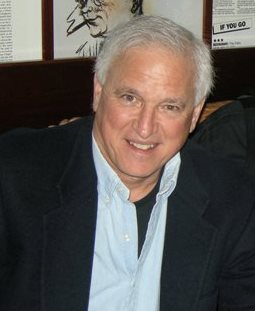
Keith Girard has four decades of experience as an award-winning reporter, editor-in-chief, and senior media executive. Keith’s career began in Washington, D.C., where he was a reporter for The Washington Post and a contributing editor for Regardie’s and Washingtonian magazines. He also worked as a writer/producer in CNN’s Washington Bureau and has written non-fiction books on the U.S. Marines in the Gulf War and Donald Trump and two novels, “The Heidelberg Conundrum” and “The Curse of Northam Bay.”