











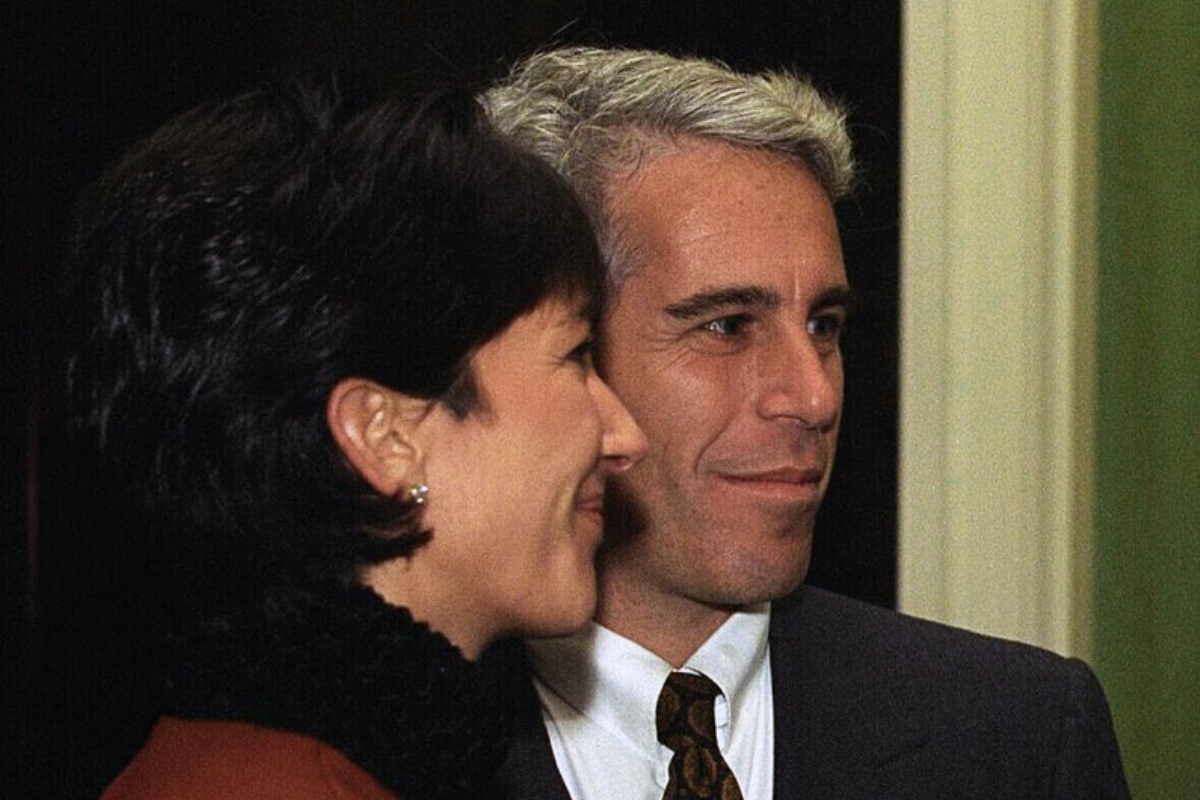
Damning evidence against sex trafficking pedophile Jeffrey Epstein was locked away by the FBI through a secret procedure known as a “zero file” that effectively blocked an investigation for a decade.
Editor’s Note: Artifical Intelligence (AI) was used to assist in research for this article.
The file contained Epstein victim Maria Farmer’s 1996 complaint, alleging Epstein and Ghislaine Maxwell were abusing minors and possessed child pornography. It was the very first documented evidence against the pedophile.
But instead of asigning agents to investigate, the FBI routed her complaint directly into a “zero file” unvetted, guaranteeing Epstein would remain above the law and continue abusing children until his final 2019 arrest.
At the time, Farmer said she explicitly asked an agent if she should contact local or state law enforcement agencies where Epstein had houses. The FBI agent instructed her not to share her report with anyone. The FBI never followed up with local agencies either.
Farmer said the FBI rebuffed repeated follow up inquiries. That’s because standard FBI procedure is to neither confirm, nor deny zero file evidence. The FBI is also automatically allowed to deny public access through the Freedom of Information Act (FOIA).
Farmer’s complaint finally surfaced publicly last December as part of the Department of Justice’s partial file release under the “Epstein Files Transparency Act” and through civil litigation, forcing the DOJ to bypass FOIA restrictions.
It has since become central to a $320 million civil negligence lawsuit filed more than two years ago by 30 Epstein survivors aganst the FBI in Manhattan federal court. Farmer filed a separate suit in May a year ago in U.S. District Court for the District of Columbia.
Both suits accused the FBI of engaging in a systemic cover-up and negligence. Farmer’s suit goes further, accusing the Department of Justice (DOJ) and the FBI of negligent infliction of emotional distress. She asserts FBI agents literally “hung up” on her in 1996 and forced her to live in hiding for nearly 30 years.
The Trump Justice Department, under both former Attorney General Pam Bondi and current AG Todd Blanche, have aggressively pressed the court to dismiss the suits. The DOJ argued that the claims should be thrown out based on sovereign immunity under the Federal Tort Claims Act and because the statute of limitations had expired.
But Farmer’s zero file discovery has tipped the lawsuits in the victims’ favor. It is proof the FBI possessed actionable, first-hand evidence of Epstein’s trafficking ring decades before his eventual arrest but systematically chose to shelve it.
The FBI’s internal Exploitation and Human Trafficking Task Force admitted in writing that “no action was taken” because the information was placed in a zero file.
Based on the document and other pleadings U.S. Magistrate Judge Ryon M. McCabe, issued a 30-page reports last month, recommending the federal court in Florida deny the government’s motion to dismiss. The ruling allows the survivors’ $320 million negligence lawsuit to proceed into a 90-day limited discovery phase.
McCabe ruled the survivors’ allegations are sufficient to state a plausible common-law duty of care under Florida’s “zone-of-risk” legal doctrines. He rejected the statute of limitations argument because the government willfully suppressed its investigative failures for decades.
In the discovery phase, plaintiffs are expected to focus on internal FBI policies regarding sexual abuse and child exploitation, but more importantly, it will force the to hand over records.
Make no mistake zero files (officially known as a 0-file or sub-file zero) have a role to play in FBI record keeping to protect the privacy of individuals who have committed no crimes.
The agency receives thousands of tips and so-called “raw intelligence” each year, much of which lead to dead ends. When the info is slated for no further action or active investigation, the bureau effectively files it away.
According to various sources, the FBI likely has thousands of zero files in its possession on public figures and everyday individuals. The released Epstein files confirmed that the FBI has actively maintained uncorroborated, third-party allegations against Trump, likely in a zero file, as well.
But it’s clear from the Farmer case that the FBI abused its zero file process to hide crucial evidence of Epstein’s wrongdoing, which raises a question: What does Trump’s zero file contain and has any or all of it been released under the Epstein Act?
Farmer’s complaint included detailed information about Epstein’s sex trafficking operations. Initially, the FBI flagged the complaint as child pornography, which should have triggered an investigation.
Farmer was invited by Epstein and Maxwell to work as an artist. But she discovered that nude and partially nude art photographs and negatives she had taken of her 12-year-old and 16-year-old sisters (including Annie Farmer) had been stolen from her. The report noted that Farmer believed Epstein stole them to sell to third-party buyers.
Epstein aggressively pressured Farmer to act as a scout for him. The document explicitly notes her allegation that Epstein ordered her to go to public swimming pools to take photographs of young, underage girls on his behalf.
What’s more, Farmer specifically brought up an incident involving Trump at Epstein’s Manhattan offices.
Trump, she said, stared at her bare legs while she was in running clothes, but Epstein cut him off, “No, no. She’s not here for you,” he said. She overheard Trump saying he thought she was 16 years old.
The FBI’s historical defense had been that the agency had no actionable, early evidence of a child sexual abuse or trafficking prior to the mid-2000s Palm Beach investigations that led to Epstein’s 2008 plea deal.
If the FBI had shared Farmer’s 1996 complaint with Florida investigators when they received it, Epstein’s Palm Beach trafficking ring could have been dismantled almost a decade earlier, according to legal experts.
Farmer’s case wasn’t the only time the FBI has dropped the ball on credible actionable complaints against Epstein.
In 2005 — two years before Epstein’s sweetheart plea deal in 2008 — Playboy founder Hugh Hefner filed a complaint against Epstein on behalf of Playboy model Audra Christiansen.
Christiansen told Hefner that Epstein had been sexually abused and trafficked her. Hefner said he called the FBI “multiple times” to report the incident. But the FBI “deferred action” on the information for 15 years.
The agency logged the calls and hundreds of other Epstien leads as an “uncorroborated third-party tip.”
The FBI finally contacted Christiansen in 2020, a year after Epstein had allegedly hung himself while awaiting trial in jail.
Plaintiffs’ lawyers are citing the Hefner case as more proof the FBI systematically shelved evidence of Epstein’s crmes.
The release of the Epstein files has prompted 10 ongoing investigations worldwide, in addition to three in the United States that are inching closer to delivering justice for his victims. But the Trump justice department continues to stonewall on releasing more than 2.5 million files still in its possession.
So far, no independent investigation is targeting Trump, though his name appears more than 38,000 times in released Epstein documents, including allegations of raping children.
Investigators in both Europe and the United States have publicly accused the DOJ of refusing to cooperate or respond to mutual legal assistance requests. Attorney General Blanche stated earlier this year that the Epstein files “should not be a part of anything going forward” for the DOJ, despite the Epstein act’s transparency requirements.
Lawyer/journalist Katie Phang filed her Epstein lawsuit (Phang v. Blanche) through the Public Integrity Project in April in the D.C. District Court to force the DOJ to unredact all but victims’ names and release the rest of the Epstein files.
The suit alleges the DOJ has illegally hidden millions of pages of documents, improperly applied heavy redactions to shield powerful figures (including Trump), and failed to publish a legally required redaction log.
It may take years before everything is known about Epstein’s trafficking ring and who was involved. But the public deserves to get the full story on one of the darkest government scandals in U.S. history.
Keith Girard has four decades of experience as an award-winning reporter, editor-in-chief, and senior media executive. Keith’s career began in Washington, D.C., where he was a reporter for The Washington Post and a contributing editor for Regardie’s and Washingtonian magazines. He also worked as a writer/producer in CNN’s Washington Bureau and has written non-fiction books on the U.S. Marines in the Gulf War and Donald Trump and two novels, “The Heidelberg Conundrum” and “The Curse of Northam Bay.”