










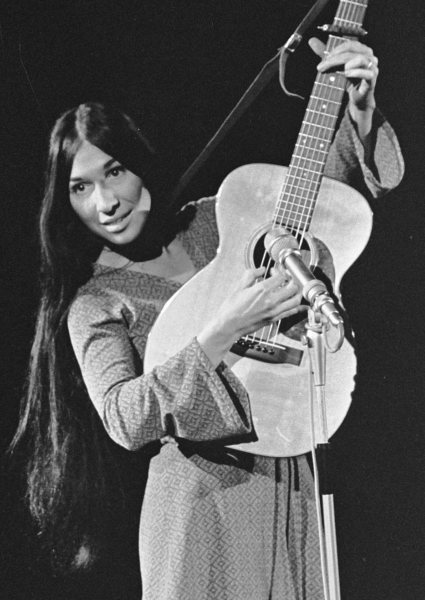
Buffy Sainte Marie, a 1960s folk icon once wrote: “A great three minute protest song can be more effective than a 400 page textbook: immediate and replicable, portable and efficient, wrapped in music, easy to understand by ordinary people.”
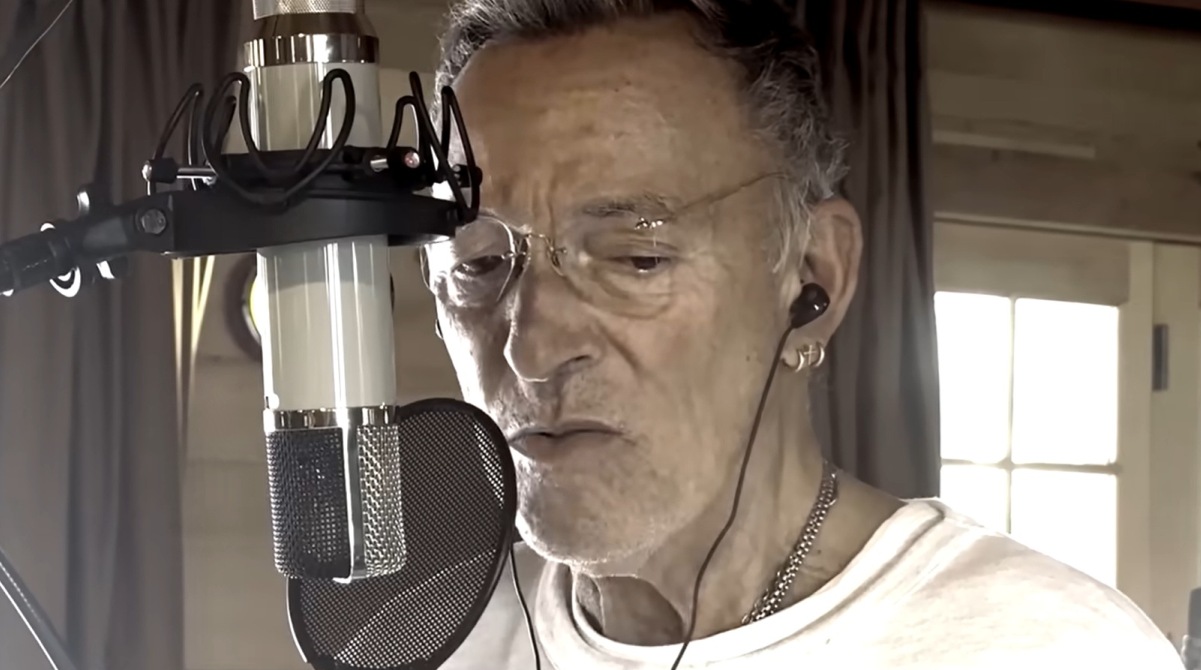
Bruce Springsteen wrote, recorded and released a protest song, protesting Donald Trump, “King Trump,” ICE and the murders of two people in Minneapolis.
Springsteen also became deeply involved in the activities following 9/11. He does risk some adverse action by this administration; some of Sainte Marie’s Native American protest songs got her blacklisted by two 1960s administrations.
She wrote that a protest song has real power. It’s not about making money with a hit song, it’s about the song’s usefulness in making the world a better place and focusing raw emotion into thought.
An effective protest song, she asserted, is similar to good reporting. It should be brief, catchy, and affect people who have short attention spans.
She says, make a point and don’t exceed three minutes; engage the audience. Sounds a lot like what Springsteen has just done.
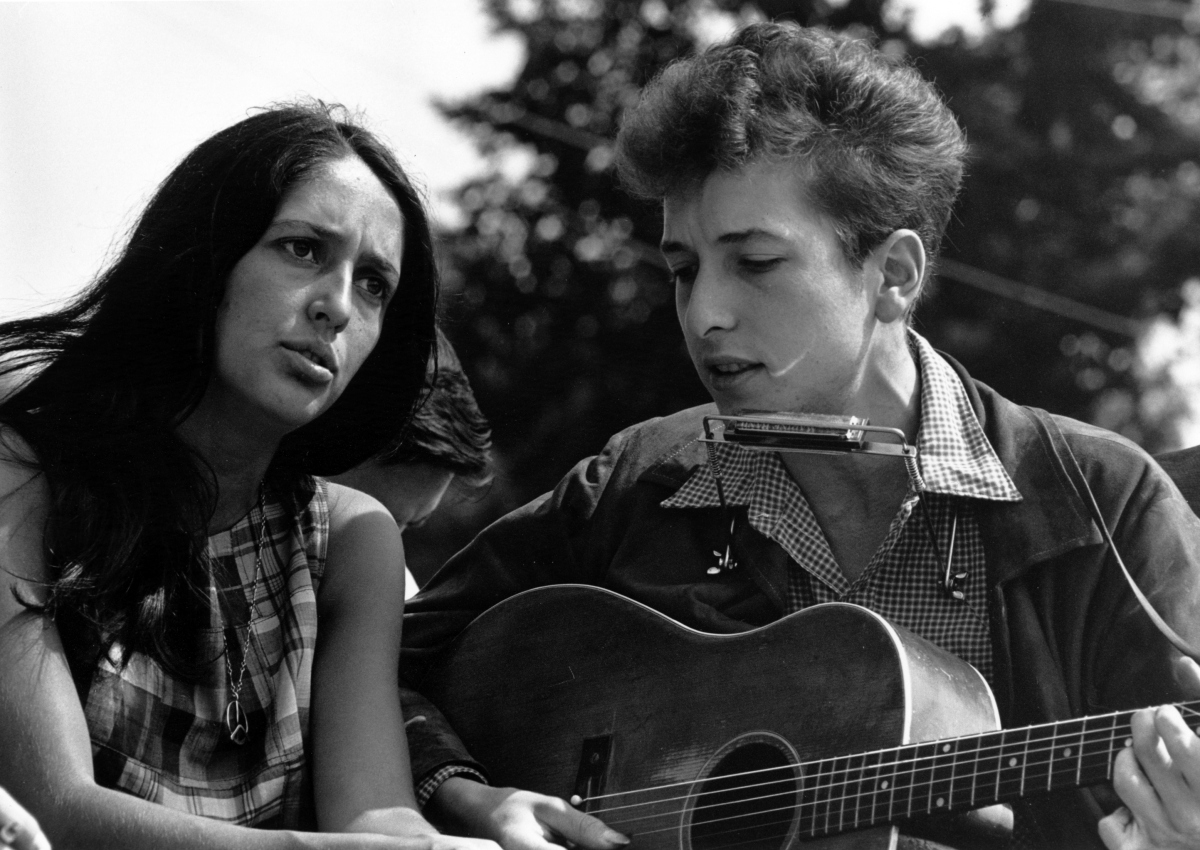
Protest songs can have the impact of a brick through a glass window, or they can go easy. Bob Dylan’s “Blowing in the Wind’’ and Pete Seeger’s “Where Have all the Flowers Gone’’ are soft-stepping songs.
The use of a song to protest can motivate listeners to act; songs can change feelings about divisions between people. They can promote positive feelings toward the rival group.
“Imagine all the people living in peace… Imagine there’s no countries,” is a familar refrain from John Lennon’s song “Imagine.”
Or, they can be harshly anti-something whether it was the war in Vietnam. “War (What is it Good For?) sung by the Temptations emphasized the evils of people killing people, and it resonated. It was harsh.
It’s the same with Springsteen’s newly released protest song.
One researcher, yes, there are people researching nearly everything, concluded that anti-war songs, as compared to pro-peace and unity, songs, are much more effective in persuading people to change their perspectives.
These songs are all intended to inspire change in political movements.
In the early 1960s, Dylan elbowed his songs of protest into creating a new category of anti-war songs.
These protest songs were described as an effort to create a singing mass movement. Some songs were soft, but others like “Masters of War” were vicious attack attacks on the militarism of the times.
What was happening then was not that much different from the ICE buildup of our times in our cities and the effort by this administration to push an autocratic philosophy down our throats.
In the ’60s, Phil Ochs was the king of protest songs.
Pop singer Bobby Darin even made the protest scene. Darin’s music went from “Splish Splash” to the wonderful “Simple Song of Freedom.”
Dion’s music also evolved from songs like ‘’Runaround Sue’’ to “Abraham Martin and John,” a song about violence in the United States.
Creedence Clearwater Revival (CCR) recorded “Fortunate Son,” describing how the rich, like Trump, evaded service in Vietnam, say because a person‘s rich father was able to get a doctor’s note excusing him from military service.
Ironically, this is the song Trump plays at his rallies, and it was written to criticize people just like him. How dumb is that?
The worse the political activities get, the more cities that are invaded by ICE, the more the government ramps up it’s anti-protest violent actions, the angrier the songs should become.
The anger and hostility of Country Joe’s, “I Feel like I’m Fixing to Die Rag” was a light year in tone and message from “Blowing in the Wind.”
Like Springsteen’s song. It was angry, very angry. It would be good if Springsteen’s song serves as a call up to protest.
Today, performers do not rely on additional media to play or not play their songs like in the ’60s.
Songs now travel around the world by social media, and Springsteen’s song has indeed traveled around the world in just a day or two.
It has great power. And it is powered by the fame of the performer.
Wonderful it would be if this is a start to the protest song movement by well own performers, and that many more protest songs are released to call out and humiliate this administration for it’s violations of the Constitution and it’s anti-democratic activities.
Watch Springsteen sing his song live.
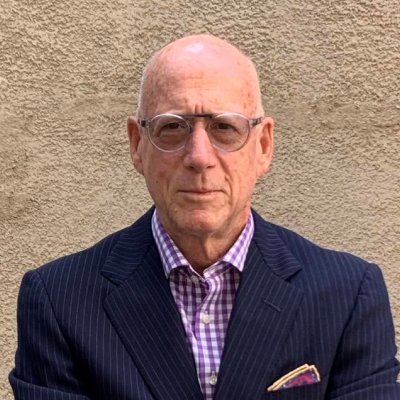
Jim Astrachan is lawyer who represents clients in intellectual property law and litigation, mediation, and business, regulatory, and transactional matters. He’s a Life Fellow of the Baltimore City Bar Foundation, the Maryland Bar Foundation, and the American Bar Foundation.