












Hardly anyone ever thinks about, much less understands, Treasury bonds — the chief way the government raises money — but they better start thinking now.
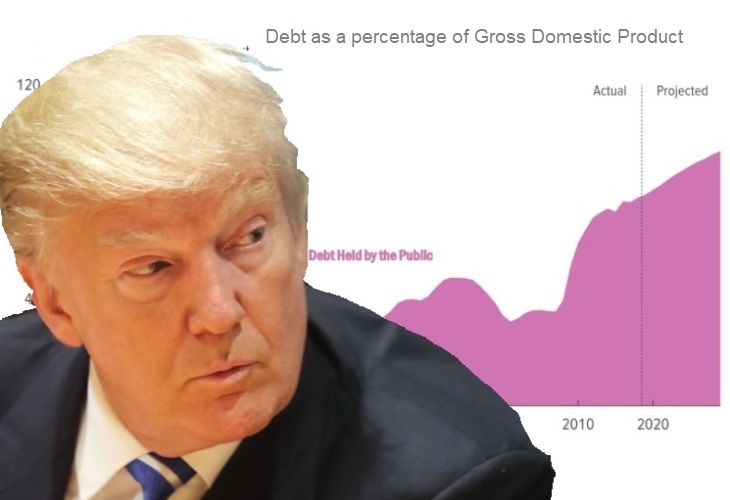
The 10-year Treasury yield (TNX) hit a peak of 5.12% today (Sept. 23), the highest rated since 2007. The 5-year yield also jumped to a 2007 high. You may recall, bond yields signaled the onset of the Great Recession in 2008-2009.
Most economists believe the financial system is no where near the brink of collapse as it was back then, but rising rates are rippling through the economy. The affect everything from mortgages and car loans to 401(k)s, and the cost of everyday consumer goods.
“US business activity growth accelerated for a fourth successive month in September to reach the fastest rate for over five years,” according to S&P Global’s latest purchasing managers index reading.
What’s more, another Federal Reserve rate hike is likely before the end of the year to cool the economy and bring down inflation, which is now running hot at 3.5%, over the Fed’s benchmark 2% rate.
The Fed hiked the rates last week by 25-basis-points to 4.00% from 3.5%, the first since 2023, while Trump as been clamoring for rates to fall to 1%.
The culprits behind the move, according to economists, are Trump’s illegal Iran war, pushing oil prices higher, and massive and rising government debt.
In response to today’s rate rise, the tech-heavy Nasdaq Composite index was down 1.13% in late afternoon trading; the S&P 500 was off almost 0.75%, and the Dow was down 0.68%.
International Brent crude oil climbed to more than $103 per barrel, while U.S. crude oil jumped above $92.
Of course, Trump promised during the 2024 election campaign to bring gas prices down to $1.50 a gallon and mortgage rates down to 2%. He also promised to lower consumer prices across the board and reduce the deficit. None of those things have happened.
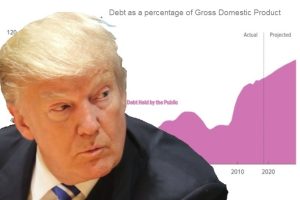
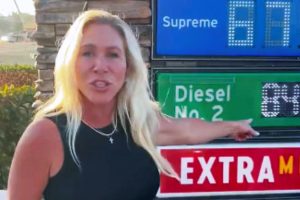
To the contrary, the average price of gasoline nationally is now over $4.20 a gallon, diesel is closing in on $7 a gallon, 30-year fixed mortgage rates are north of 7% and the national debt is soaring past $40 trillion and rising.
Few average citizens understand the intricacies of the bond market. The key thing to remember is rising bond yields, cause prices to fall and if bond yields fall, bond prices rise.
— If you invest $1,000 in a 10-year Treasury with a rate of 4.5%, you will receive $45 in interest annually over the next 10 years — and receive your initial $1,000 investment back when the bond matures in 10 years, according to Yahoo Finance.
— If rates go up to 5.5%, the Treasury note in your investment portfolio or 401(k) loses value because investors can earn a higher rate on newly issued Treasurys. If you sell your bonds, rather than hold it to maturity, you will lose money.
— If rates go down, for example, to 3.5%, your Treasury note becomes more valuable. If you sell the note before maturity, you’ll get more than the $1,000 you invested.
The same factors driving bond yields higher are also causing rising consumer prices. The Consumer Price Index rose 3.8% in April — the largest gain in three years. Gas prices are up more than 28%. Inflation cool slightly in June, but inflation pressure has returned.
The cost of borrowing money is not only rising for the government; households are feeling the effect as well. A 1% increase in interest rates would add roughly $4 trillion in interest costs over the next 10 years.
Rising rates make mutual funds, target-date funds, and exchange-traded fund — which fill most retirement accounts — lose value as risk-free Treasury interest rates rise.
Retirement accounts heavily invested in stocks may experience volatility. Bond funds, actually bundles of bonds, may also see some short-term losses. Expert say expect more market volatility going foward.
The good news is bond yields rising to 2007 levels do not automatically signal another systemic financial crash like 2008. But they do reflect sticky inflation and heavy government borrowing.
The 2007 collapse was actually triggered by the collapse of hidden subprime mortgages and a banking liquidity crisis. Neither of those factors exist today.
For a detailed discussion of interest rates, check out Nobel Prize winning economist Paul Krugman’s recent podcast.
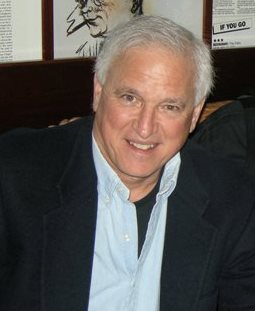
Keith Girard has four decades of experience as an award-winning reporter, editor-in-chief, and senior media executive. Keith’s career began in Washington, D.C., where he was a reporter for The Washington Post and a contributing editor for Regardie’s and Washingtonian magazines. He also worked as a writer/producer in CNN’s Washington Bureau and has written non-fiction books on the U.S. Marines in the Gulf War and Donald Trump and two novels, “The Heidelberg Conundrum” and “The Curse of Northam Bay.”