



















Assume Democrats sweep the midterms replacing many Republican members of the House of Representatives in Congress.
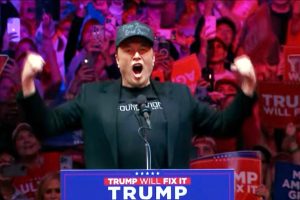
Assume Donald Trump instructs House Speaker Mike Johnson to remove the House clerk and replace her with a clerk that will follow Johnson’s instructions.
Assume Johnson instructs the new clerk not to seat the newly elected Democrats. The pretext for this instruction may be as vague as “illegal election activity.”
(Editor’s note: The utimate goal wouldn’t be to deny the newly elected members their seats, but to tie the matter up in court and keep Republicans in power in the House long enough for Trump to serve out his term.)
Assume the newly elected Democrats and some of their constituents sue in the United States District Court demanding they be seated.
Assume the district court follows a 57-year-old precedent and orders the clerk to seat these newly elected members and the appellate court affirms the district court.
Assume the clerk appeals to the Supreme Court.
What will the hard-right Trump leaning high court do if the House refuses to seat newly elected Democratic representives?
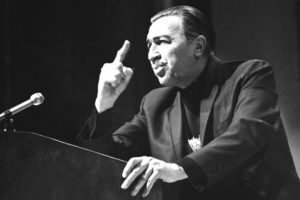
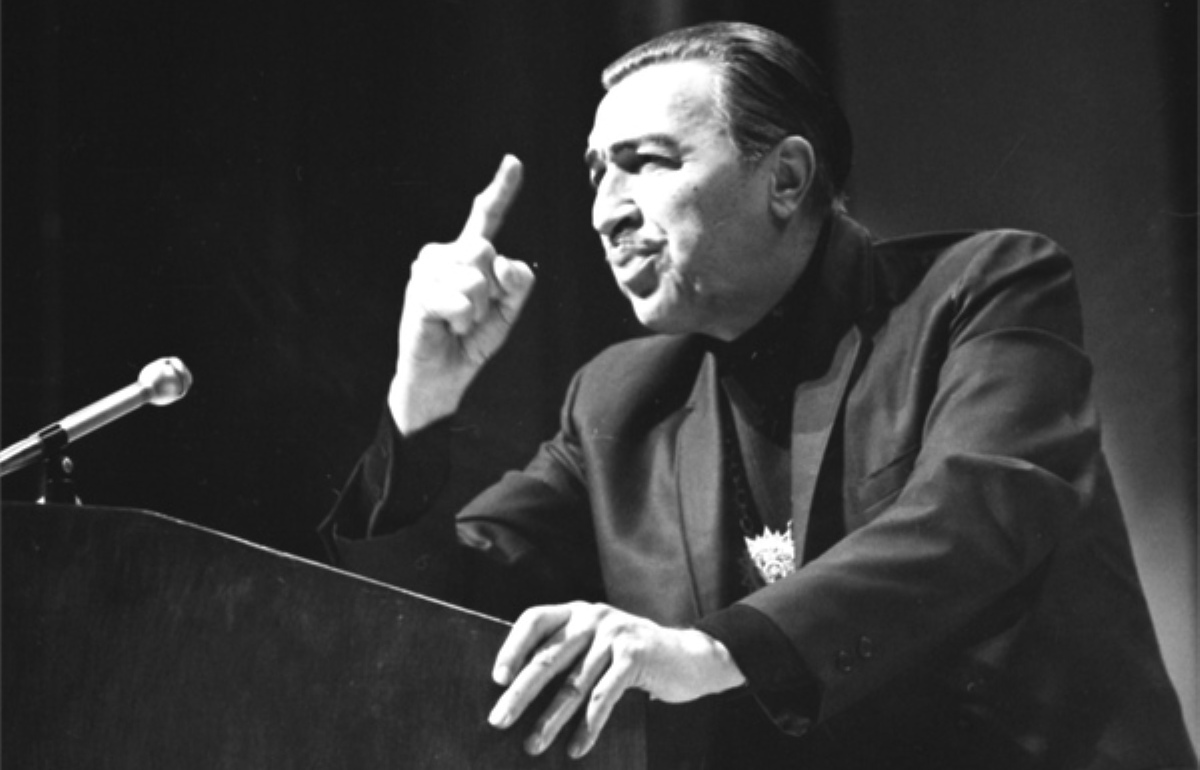
The precedent is a 1969 case, with a similar result; the House passed a resolution denying New York Congressman Adam Clayton Powell his duly elected seat over charges he misappropriated public funds.
Then House Speaker John William McCormack, a Boston Democrat, ruled that a simple majority vote was sufficient to determine Powell’s seating.
The House took five roll-call votes during a highly contentious four-and-a-half-hour floor debate before deciding to expell him on Mar. 1, 1967. The clerk refused to swear in Powell.
A little different, yes, but the issue was whether a duly elected representative could be denied their seat by an action of the House, here a vote of its members.
Powell’s argument was that Art. I, Sec. 2, of the Constitution mandated that House members be elected by their constituents.
However, the district court ruled against Powell and the appellate court affirmed on the grounds that the courts did not have jurisdiction over the subject matter, the actions of Congress.
The Supreme Court disagreed and ruled in favor of Powell‘s claim 7 to 1, although by the time it did, he had been seated following a subsequent election.
The one dissenter did so on the ground that the case was moot because Powell had been seated.
In essence, the court held the Congress does not have the power to develop any qualifications to seat members; it must follow Art.I, Sec.2.
The court ruled that no Congress can exclude a future member, or a candidate member, from being sworn in and being seated.
Justice William O. Douglas wrote a concurring opinion stating that qualifications that are not a part of the Constitution may not be added, except by amendment to that document.
The precedent was basically unanimous, and it is likely that Justice Potter Stewart, the sole dissenter, would have voted with the majority had he not dissented on the ground that the case was moot.
The question now is whether this current court will blow up this 57 year-old precedent, as it did with abortion rights, and step back without deciding on the grounds that it lacks jurisdiction, allowing the speaker to have his way.
Count on Justices Samuel Alito and Clarence Thomas to vote against seating new members. There is something wrong with both of these justices.
Chief Justice John Roberts Jr. has a long way to go for forgiveness after some of his horrible decisions, and I think he would vote to seat, as will the three liberal justices.
If that is so all that is needed is the vote of one more of the remaining three justices, Neil M. Gorsuch, Brett M. Kavanaugh, and Amy Coney Barrett.
If Roberts can’t rally his court, and they walk away without a decision, you might say that our democracy is just about over. That’s how import this is.
I do not know how the citizen base will react, but it could be violent.
It’s not likely we can count on the now sitting members of the House to remove Johnson as speaker, elect a new speaker to instruct the clerk to seat the new members and in doing so potentially lose their jobs. That would be the right thing to do.
So, there is precedent to be followed. The question is will this court do so should this problem arise?
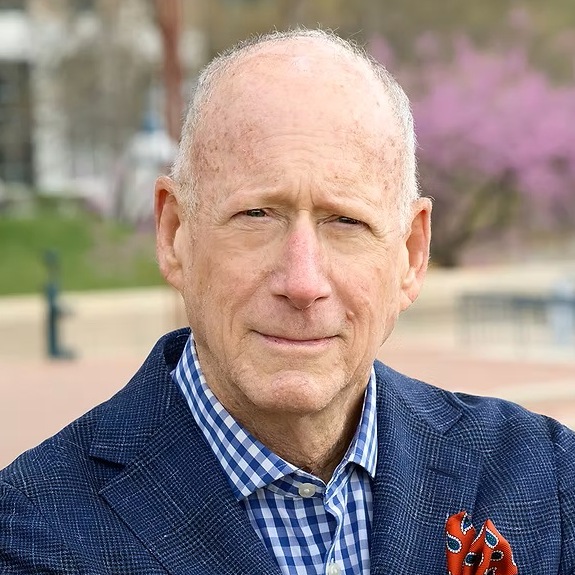
Jim Astrachan is lawyer who represents clients in intellectual property law and litigation, mediation, and business, regulatory, and transactional matters. He’s a Life Fellow of the Baltimore City Bar Foundation, the Maryland Bar Foundation, and the American Bar Foundation.