















Dark clouds are on the horizon for the economy after the latest Consumer Price Index (CPI) recorded a larger-than-expected increase in August inflation, adding pressure for a Fed interest rate hike next week.
The data, released today by the U.S. Bureau of Labor Statistics (BLS), showed a 0.4 percent, seasonally adjusted increase in inflation, topping analysts’ expectations. But the 12-month overall inflation rate of 3.4 percent was in line with those expectations, lifting stocks.
The cost of gasoline rose 3.9 percent, accounting for over one third of the monthly index increase.
Diesel fuel led the way, rising above $6 a gallon for the first time since prices were tracked, according to NBC News and The New York Times.
Since the war with Iran began in late February, the nationwide average diesel price has soared by 60%.
As clashes renewed in the Middle East in Donald Trump’s illegal war against Iran, crude oil shot up 7 percent yesterday, briefly hitting $108 a barrel in intraday trading.
Rising diesel fuel prices have broad implications for the economy because it powers the global supply chain, heavy industry, and agriculture.
An even broader impact could occur if the Federal Reserves decides to raise interest rates at its meeting Wednesday (Sept. 16).
“The upside surprise to core CPI in August means the Fed looks set to hike next week,” Stephen Brown, North America chief economist for Capital Economics, told Yahoo Finance.
The odds of a Fed rate hike are not at 90 percent, according to CME Group’s FedWatch, which assesses potential interest rate moves.
The index for energy increased 2.1 percent over the month. The shelter index rose 0.3 percent in August after rising 0.1
percent in July. The index for food increased 0.1 percent over the month, as the index for food away from home increased
0.3 percent, according to the BLS.
The index for all items less food and energy rose 0.3 percent after increasing 0.2 percent in July, led by price rises for communication, lodging away from home, airline fares, education, and used cars and trucks.
Without volatile food and energy prices, the CPI rose 0.3% month-over-month, compared with expectations for 0.2%. The year-over-year rate was in line with expectations for 2.4%, and down a tenth of a percentage point from July.
In an indication of the Fed’s thinking, Chairman Kevin Warsh told economists in Jackson Hole, Wyoming last month that inflation is too high and that current rates are not hindering borrowing, outside of housing.
Joseph Brusuelas, chief economist for RSM, expects the Fed to hike rates at least two more times over the next year to put inflation on a credible path back to the Fed’s target rate of 2%.
The housing market is of immediate concern to consumers in the market to buy a home. The average 30-year fixed mortgage rate has increased by about 0.70 percentage points since January, rising from roughly to 6.76% from 6.06% as of Sept. 10.
Mortgage News Daily, which tracks home mortgage rates, reported that the 30-year, fixed mortgage briefly rose above 7.07% in early September—the highest level in over 14 months.
“Today’s economic difficulties were all self-inflicted by Trump. Moreover, today’s economy is a far cry from the paradise that Trump promised in order to beat Kamala Harris,” said Economist Paul Krugman in an August substack post.
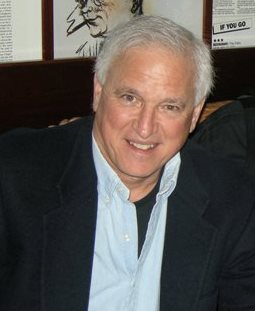
Keith Girard has four decades of experience as an award-winning reporter, editor-in-chief, and senior media executive. Keith’s career began in Washington, D.C., where he was a reporter for The Washington Post and a contributing editor for Regardie’s and Washingtonian magazines. He also worked as a writer/producer in CNN’s Washington Bureau and has written non-fiction books on the U.S. Marines in the Gulf War and Donald Trump and two novels, “The Heidelberg Conundrum” and “The Curse of Northam Bay.”