






A federal judge in California, yesterday, blocked the Department of Homeland Security (DHS) from conducting field operations that the Trump administration claimed were designed to ferret out voters who were illegally registered to vote because they are not citizens.
The idea was for ICE to interview suspected non-citizens who had registered to vote. Imagine three or four heavily armed, burley, SOB’s knocking on your door and demanding access to your house so they can question you and demand documents.
Under DHS’s so-called “Unlawful Voter Initiative,” ICE was directed to create target lists of people to be investigated in what looks to be a Gestapo-type effort. This was to occur in nine target states, including California, Connecticut, Pennsylvania and Nevada.
According to the court and a whistleblower, DHS is compiling, unreliable, and voluminous list of close to 50 million people to start their investigation.
DHS was using state voter registration information provided by the state, but if the state refused to provide its information as many did, it used unreliable commercial data to compile its list.
Then, DHS applied artificial intelligence to pair down these lists removing people, citizens, it did not consider to be proper subjects of their investigation.
The basic list was considered to be presumptively valid.
DHS conceded errors in the compilation of these lists would occur, and the court found that there was indeed a high probability of error given that agents were instructed to spend less than 12 minutes per name to verify or reject names on the list.
The lists as reduced were next provided to districts in the target states and agents conducted field interviews to further reduce the lists or Identify evidence of criminal activity in which case they would make arrests.
The court noted that agents were instructed to download photographs, notes and videos to a DHS media site to be used to publicize this operation called a ‘’surge.”
DHS provided to the media videos of sweeps of homes and arrests.
The plaintiffs asked the court to grant a preliminary injunction that would stay in place until trial and would prevent DHS from engaging in this pre-election conduct.
When seeking injunction relief, a plaintiff needs to show that they are likely to succeed on their claims at trial. They do not have to fully prove their claims at the preliminary injunction stage, but they do need to show a likelihood of success.
The only claim the court found that resulted in sufficiently cognizable harm, but it was a big one, was the resulting intimidation affecting voter assistance and mobilization, and it was sufficient to warrant the injunction.
DHS had violated the Voting Rights Act the court found because it intimidated, threatened or coerced voters, or threatened to do so.
The government argued it could not violate this law because the law criminalizes voting by non-citizens, and the government is authorized to investigate violations.
The court disagreed because the plain text of the law prohibits ANY PERSON whether acting under color of law or otherwise, from doing what the government was found to be doing.
Sounds a bit like a stretch on the part of the court.
We’ll need to see whether DHS stands down and follows the court ruling. It may not.
And we need to see how quickly the government can get this matter before the appellate court or even the Supreme Court on an emergency basis and whether that court will uphold the injunction. I believe the Supreme Court would not.
My personal opinion is that there is no way the juice is worth the squeeze unless the government‘s motive is to uncover few instances of fraud it can use to sow the seeds of doubt in the minds of some voters as to the legality of our elections.
This goes beyond merely appealing to voters, because I believe the government is trying to give governors and legislatures in red states whose Republican representatives or senators lose to Democrats grounds to contest the election as well as giving grounds to Mike Johnson in Congress to also contest the elections and refused to seat successful candidates.
We are surely in a war. Be sure to vote and convince a friend to do so.
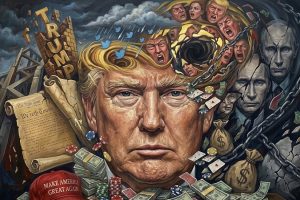
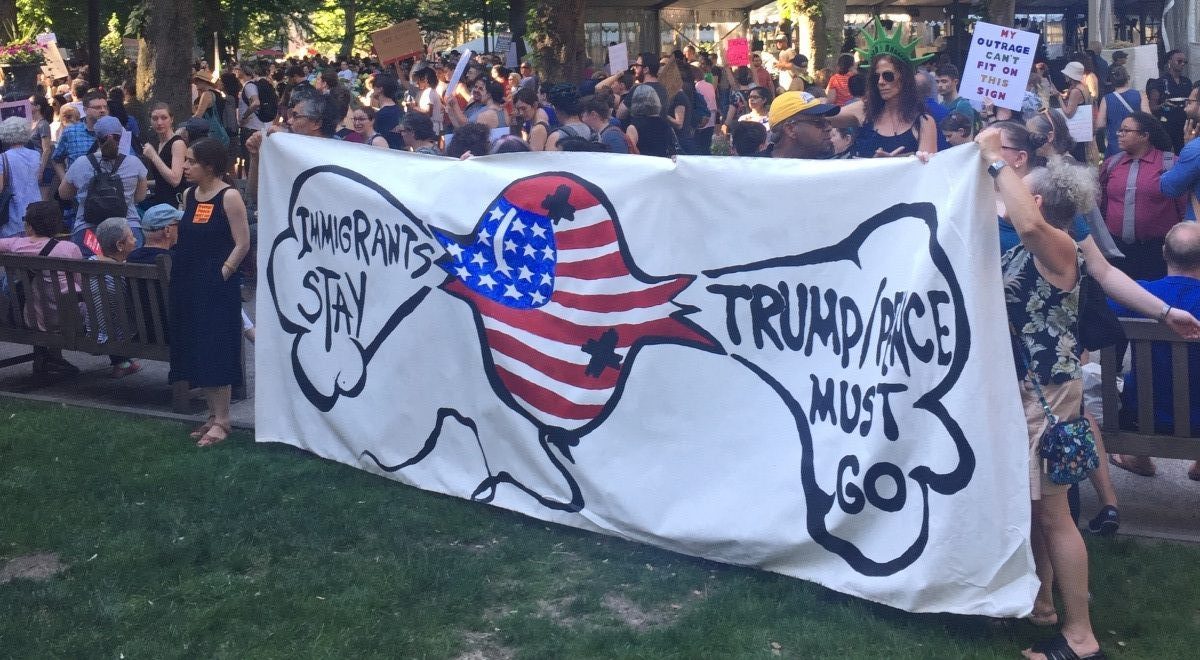
The image on this page is licensed under the Creative Commons Attribution-Share Alike 4.0 International license.
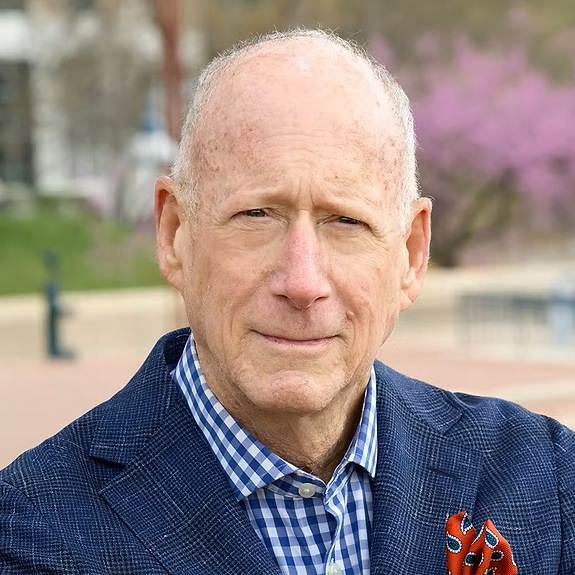
Jim Astrachan is lawyer who represents clients in intellectual property law and litigation, mediation, and business, regulatory, and transactional matters. He’s a Life Fellow of the Baltimore City Bar Foundation, the Maryland Bar Foundation, and the American Bar Foundation.